-
Shopping Bag
-
Sorry, there are no items in your basket
-
JEWELLERY CARE
Looking after your jewellery
Fine jewellery is designed to be worn, enjoyed and become part of your everyday life. Whether it's an engagement ring, wedding ring or a piece that marks a special occasion, with the right care it can be treasured for generations.
Although precious metals and gemstones are carefully selected for their beauty and durability, every piece of jewellery experiences natural wear over time. Everyday activities, accidental knocks and contact with hard surfaces can all affect its appearance and, eventually, the condition of settings and fastenings.
The guidance below will help you care for your jewellery at home, understand what to expect from everyday wear and explain how regular professional inspections can help keep your jewellery looking its best.
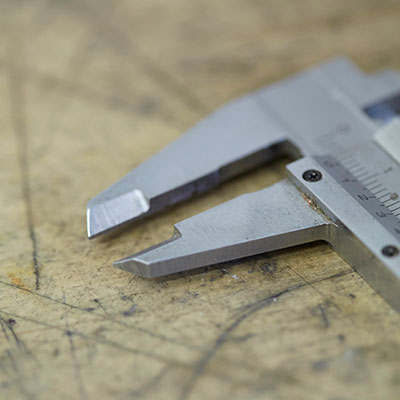
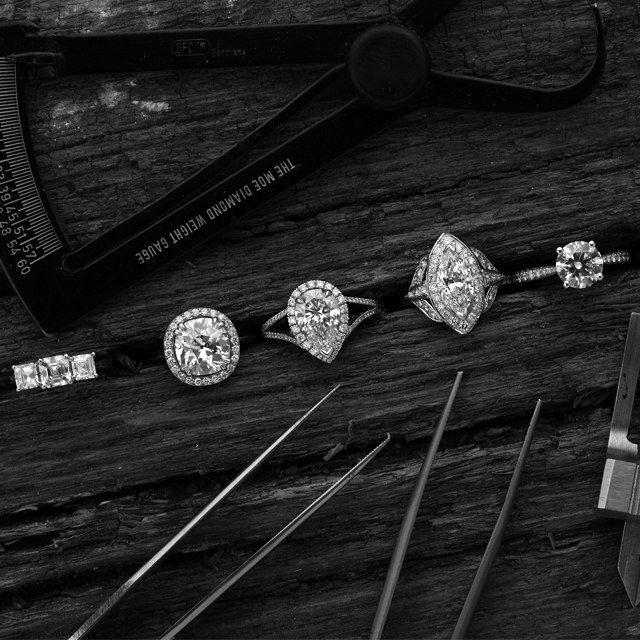
Understanding wear & tear
Jewellery is made to be worn, so it's perfectly natural for it to change over time.
The amount of wear your jewellery experiences will depend on how often it's worn and the activities it's exposed to. Rings, bracelets and bangles generally receive more everyday contact than earrings or necklaces, making them more likely to develop light scratches, small dents and gradual wear to settings or fastenings.
These changes are a normal part of owning fine jewellery and should not be mistaken for a manufacturing fault. Like a favourite leather bag or a well-crafted watch, jewellery naturally develops signs of everyday use as it's worn and enjoyed.
Because wear and tear occurs through normal use, it isn't covered by the Pravins Guarantee. However, regular maintenance can help identify minor issues early, often preventing more significant repairs in the future.
Complimentary jewellery inspection
Regular professional inspections are one of the simplest and most effective ways to care for your jewellery.
We recommend bringing frequently worn jewellery into one of our stores at least once a year for a complimentary inspection. During your visit, our team will professionally clean your jewellery before carefully examining gemstone settings, claws, fastenings and precious metals to ensure everything remains secure and in good condition.
With decades of experience working with fine jewellery, our specialists know exactly what to look for. Small signs of wear that might easily go unnoticed can often be identified long before they develop into more significant maintenance requirements.
Routine inspections not only help preserve the beauty and longevity of your jewellery, but also provide a valuable service history should a future assessment under the Pravins Guarantee ever be required.
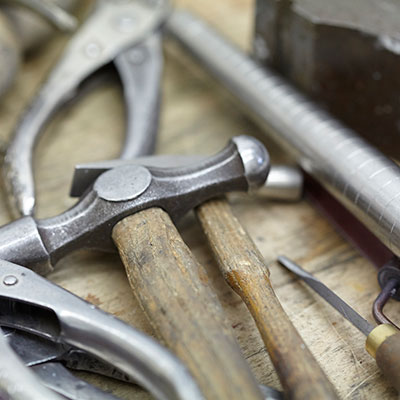
CARING FOR RINGS
For many people, a ring is the piece of jewellery they wear most often. Whether it's an engagement ring, wedding ring or a favourite everyday piece, it becomes part of daily life and naturally experiences more wear than almost any other type of jewellery.
With the right care and regular professional inspections, your ring can continue to look beautiful and remain secure for many years to come.
Protecting your ring during everyday wear
Fine jewellery is designed to be worn and enjoyed, but everyday life can expose your ring to more knocks and abrasion than you might expect.
Activities such as gardening, DIY, sport, heavy lifting and using household cleaning products all increase the risk of accidental damage. Even routine tasks around the home or office can subject a ring to repeated contact with hard surfaces, gradually contributing to everyday wear.
Removing your ring before these activities is one of the simplest ways to protect both the precious metal and any gemstones.
Why do rings scratch?
Scratches and small marks are a natural part of wearing a ring. Precious metals are designed to be durable, but they will gradually develop signs of everyday use over time.
The underside of the band is usually the first area to show wear, particularly on rings worn every day. Many rings also develop a gentle patina — a soft surface character that reflects years of wear and enjoyment.
If you notice unusually deep scratches, significant dents or any change in the shape of your ring, we recommend bringing it into one of our stores so our jewellery specialists can assess its condition.
Professional polishing, refinishing and, where appropriate, rhodium plating for white gold can often restore your ring's appearance while preserving its integrity.
Keeping your gemstones secure
While a diamond or coloured gemstone is often the focal point of a ring, the setting holding it securely in place also requires care and occasional maintenance.
Over time, everyday wear can gradually affect claws and settings, particularly if the ring receives accidental knocks. These changes are often subtle and difficult to spot without a professional inspection.
If you notice a claw catching on clothing, hear a gemstone moving within its setting or see any visible damage, we recommend removing the ring and arranging for it to be inspected as soon as possible.
Regular inspections help identify small issues before they develop into more significant repairs, reducing the risk of a loose or lost gemstone.
If your ring features pearls or softer gemstones, we recommend referring to our Gemstone Care Guide for more specific advice.
Does your ring fit correctly?
A well-fitting ring is more comfortable to wear and can also help protect the jewellery itself.
A ring that's too loose may rotate on the finger more frequently, increasing wear and placing additional stress on gemstone settings. A ring that's too tight can become uncomfortable and may place unnecessary strain on the band when being removed.
As finger size can naturally change over time, we recommend having your ring size checked during your routine jewellery inspections. If an adjustment is needed, our team will be happy to advise whether resizing is suitable for your particular ring.
Please note that ring resizing is not covered by the Pravins Guarantee, and some ring designs cannot be resized.
Storing your ring
The way you store your ring is just as important as the way you wear it.
When it's not being worn, keep your ring in its original presentation box or an individual soft jewellery pouch wherever possible. Storing rings separately helps prevent harder gemstones, such as diamonds, from scratching neighbouring pieces of jewellery.
If you're travelling, we recommend carrying each ring individually to help protect it from accidental knocks and scratches.
CARING FOR EARRINGS
Whether worn every day or reserved for special occasions, earrings deserve the same care and attention as any other piece of fine jewellery. Although they don't experience the same level of wear as rings, their smaller components and delicate fastenings mean they still benefit from careful handling and regular inspections.A few simple habits will help keep your earrings secure, comfortable to wear and looking their best for years to come.
Wearing your earrings
Earrings are designed to be lightweight and comfortable, but there are times when removing them is the safest option.
We recommend taking earrings off before bathing, showering, swimming, sleeping or participating in activities where they may be knocked or caught. It's also worth taking extra care when brushing or styling your hair, as earrings can easily become tangled or pulled unexpectedly.
Removing your earrings during these moments helps reduce unnecessary strain on both the settings and fastenings.
Removing earrings safely
Taking your earrings out carefully can help prevent unnecessary wear over time.
When removing stud earrings, hold the front of the earring securely while gently sliding the back away from the post. Pulling from the front alone can place unnecessary pressure on the setting, particularly if the earring contains pearls or more delicate gemstones.
Pearls are typically secured using specialist adhesives rather than claws, so they should always be handled with particular care. Over time, reattaching pearls may become part of their routine maintenance, especially if they are worn frequently.
Checking the fastenings
The fastening is one of the hardest-working parts of any earring and should be checked regularly.
Butterfly backs should offer gentle resistance when fitted or removed. If they begin to feel loose, they may no longer be holding the earring as securely as intended. Equally, if they become difficult to remove, we recommend bringing them into one of our stores rather than attempting to adjust them yourself.
For heavier earrings or added peace of mind, alternative fittings such as lockable Alpha backs may be available. Our team will be happy to advise on the most suitable option for your jewellery.
If you wear hoop earrings, always ensure the fastening is correctly aligned before closing it. Forcing the clasp can damage the hinge or fastening mechanism.
Gemstones and settings
If your earrings feature diamonds or coloured gemstones, it's important to remember that the settings holding them in place naturally experience wear over time.
Although earrings are generally less exposed to everyday knocks than rings, accidental impacts can still affect claws, settings and other fine metalwork.
Regular inspections help identify early signs of wear before they become more significant, reducing the risk of loose or lost gemstones.
If your earrings feature pearls or softer gemstones, please refer to our Gemstone Care Guide for more specific advice.
Storing your earrings
When not being worn, store your earrings separately to help protect both the precious metal and any gemstones from scratches.
Where possible, keep them in their original presentation box or an individual soft jewellery pouch. If you're storing stud earrings, placing the backs back onto the posts will help prevent them from becoming misplaced.
When travelling, carrying each pair separately offers additional protection against accidental knocks and tangling with other jewellery.
CARING FOR BRACELETS AND BANGLES
Bracelets and bangles are designed to be worn and enjoyed, but because they move freely on the wrist they're naturally more exposed to knocks, bumps and everyday wear than jewellery worn around the neck or ears.With a little extra care and regular inspections, your bracelet or bangle can continue to look beautiful and remain secure for years to come.
Protecting your bracelet or bangle
Your bracelet or bangle is likely to come into contact with desks, door handles, worktops and other hard surfaces throughout the day, often without you noticing.
We recommend removing wristwear before activities such as gardening, DIY, sport, heavy lifting or using household cleaning products. Even routine tasks around the home or office can expose jewellery to repeated impacts that gradually contribute to everyday wear.
Being mindful of when you wear your jewellery is one of the simplest ways to help protect both the precious metal and any gemstones.
Everyday wear
Many gold bangles and some bracelet links are hollow, even though they appear to be solid. This helps make them lighter and more comfortable to wear, but it also means they require a little extra care, as a heavy knock can sometimes cause permanent damage.
If you enjoy wearing several bracelets together or pairing them with a watch, it's worth remembering that constant contact between the pieces may lead to scratches over time. Similarly, repeatedly pulling or twisting bracelet links while wearing them can gradually place unnecessary strain on the jewellery.
Understanding how your bracelet or bangle feels when fastened is also helpful. If the clasp begins to feel looser than usual or doesn't close securely, we recommend having it inspected before wearing it again.
For some designs, additional safety catches or chains can also be fitted for extra peace of mind.
Gemstones and settings
If your bracelet or bangle features diamonds or coloured gemstones, the settings holding them securely in place should be checked from time to time.
Although these settings are designed for everyday wear, accidental knocks and natural wear can gradually affect their security. Regular inspections allow small issues to be identified before they develop into more significant repairs, helping to reduce the risk of loose or lost gemstones.
If your jewellery features pearls or softer gemstones, we recommend referring to our Gemstone Care Guide for more specific care advice.
Finding the right fit
A bracelet or bangle that fits correctly is not only more comfortable to wear but can also help reduce unnecessary wear.
Jewellery that's too loose may be more likely to catch on surrounding objects, while a piece that's too tight may place additional strain on its clasp or links.
If you're unsure whether your bracelet or bangle fits correctly, our team will be happy to assess it and advise whether adjustments are possible for your particular design.
Storing your bracelet or bangle
When not being worn, store your bracelet or bangle separately to help protect it from scratches, dents and unnecessary pressure.
Where possible, keep it in its original presentation box or an individual soft jewellery pouch. Avoid allowing bracelets to become tangled together, and take care not to place heavy items on top of bangles, as this may affect their shape over time.
If you're travelling, carrying each piece individually offers the best protection against accidental knocks and damage.
CARING FOR PENDANTS AND NECKLACES
Pendants and necklaces are often among the most treasured pieces of jewellery, whether they're worn every day or chosen for special occasions. Although they're generally less exposed to everyday wear than rings or bracelets, they still benefit from careful handling and regular inspections to help keep them looking their best.
A few simple habits will help protect your jewellery and ensure it can be enjoyed for many years to come.
Wearing your necklace
Necklaces and pendants are designed for everyday enjoyment, but there are occasions when removing them is the best way to protect them.
We recommend taking your jewellery off before sport, exercise, swimming, bathing, showering or sleeping. It's also worth avoiding unnecessary pulling or twisting while wearing your necklace, as repeated strain can gradually affect the chain over time.
Taking a little extra care during everyday activities can help preserve both the appearance and strength of your jewellery.
Caring for the chain
The chain is often the hardest-working part of a necklace and deserves the same attention as the pendant itself.
Over time, everyday movement naturally places gentle stress on links, clasps and connecting rings. Becoming familiar with how your clasp feels when fastening and removing your necklace can help you notice any changes in its security.
Some chain styles, such as snake chains, are particularly susceptible to kinking if bent sharply, so they should always be stored carefully when not being worn.
If your pendant regularly twists around the chain or the clasp repeatedly moves to the front, our jewellery specialists may be able to recommend adjustments to improve the way it sits.
Gemstones and settings
If your pendant or necklace features diamonds or coloured gemstones, the settings holding them securely in place should be checked from time to time.
Although necklaces are generally less exposed to accidental knocks than rings, natural wear and occasional impacts can still affect claws, settings and other fine details over the years.
Regular inspections help identify early signs of wear before they become more significant, reducing the risk of loose or lost gemstones.
If your jewellery features pearls or softer gemstones, we recommend referring to our Gemstone Care Guide for more specific advice.
Storing your necklace
Correct storage is one of the simplest ways to protect your necklace from unnecessary wear.
Whenever possible, store your necklace in its original presentation box or an individual soft jewellery pouch. Keeping each piece separate helps prevent chains from tangling and reduces the risk of scratches.
Some chain styles, including snake chains, should always be laid flat or stored carefully to avoid permanent kinks. If you use a jewellery stand or tree at home, leave enough space between each necklace to prevent them from becoming tangled together.
When travelling, storing each necklace individually provides the best protection against knots, scratches and accidental damage.
CARING FOR GEMSTONES
Every gemstone is unique. From diamonds and sapphires to emeralds and pearls, each has its own natural characteristics that influence how it should be cared for.
Some gemstones are exceptionally durable and well suited to everyday wear, while others benefit from a little extra care to help preserve their beauty over time. Understanding these differences is one of the best ways to enjoy your jewellery with confidence for years to come.
While many gemstones can be cleaned safely at home using warm water, a mild soap solution and a soft brush or cloth, others are more sensitive to heat, chemicals or prolonged exposure to moisture. If you're ever unsure about the safest way to care for your jewellery, our team will always be happy to offer advice.
Professional cleaning and inspections
Regular professional cleaning is one of the simplest ways to keep your jewellery looking its best.
If your jewellery was purchased from Pravins, we recommend bringing it into one of our stores at least once a year for a complimentary inspection and professional clean. During your visit, our experienced jewellery specialists will carefully examine your jewellery, checking that gemstone settings and fastenings remain secure while professionally cleaning your piece to restore its natural brilliance. This service also allows us to identify any early signs of wear before they develop into more significant repairs.
For jewellery purchased elsewhere, we're equally happy to assess its condition and advise on the most appropriate cleaning or maintenance options.
Understanding different gemstones
Every gemstone has its own unique properties, which is why care recommendations can vary from one stone to another.
To help you get the very best from your jewellery, we've created a collection of guides exploring the characteristics, durability and care requirements of some of the world's most popular gemstones.
CARING FOR METALS
The metal your jewellery is crafted from plays an important role in its appearance, durability and the way it wears over time. Whether your piece is made from 18ct gold, platinum, silver or zirconium, every material has its own unique characteristics and benefits.
With thoughtful everyday care and occasional professional maintenance, your jewellery can retain its beauty for many years to come.
Everyday wear
It's perfectly natural for metals to develop light scratches and small marks through everyday wear. Rings, bracelets and bangles are particularly susceptible because they come into regular contact with hard surfaces such as worktops, desks and door handles.
These subtle changes are a normal part of owning fine jewellery and should not be mistaken for a manufacturing fault. In many cases, they contribute to the unique character of a piece that's been worn and enjoyed over time.
If you notice significant dents, changes in shape or visible damage, we recommend having your jewellery professionally assessed.
Professional care
Many signs of everyday wear can be improved through professional polishing, refinishing and routine maintenance.
If your jewellery was purchased from Pravins, we recommend bringing it into one of our stores at least once a year for a complimentary inspection and professional clean. During your visit, our jewellery specialists will carefully assess the condition of the metal alongside any gemstone settings, ensuring your jewellery remains both beautiful and secure.
Regular inspections also allow us to identify minor maintenance requirements before they develop into more significant repairs.
Gold
Gold has been treasured for centuries for its beauty, durability and versatility. At Pravins, the majority of our jewellery is crafted from 18ct gold, offering an excellent balance between richness of colour, strength and everyday wearability.
Like all precious metals, gold will naturally develop signs of wear over time. White gold jewellery may also require rhodium plating periodically to maintain its bright white finish, particularly on rings and other jewellery that's worn every day.
Platinum
Platinum is naturally white and renowned for its strength, making it an exceptional choice for jewellery that's designed to be worn every day.
Although highly durable, platinum will still develop light scratches and surface marks through normal wear. Over time, many people come to appreciate the soft patina that gradually develops, giving the metal its own distinctive character while retaining its strength and integrity.
Silver
Silver is admired for its bright, reflective finish and has been used in jewellery for generations.
Unlike gold or platinum, silver naturally develops tarnish when exposed to air over time, particularly if it's left unworn for extended periods. Fortunately, tarnish is easily removed with appropriate cleaning products or through professional cleaning.
Storing silver jewellery carefully and wearing it regularly can both help maintain its appearance.
Zirconium
Although zirconium is not recognised as a precious metal, it has become an increasingly popular choice for contemporary wedding rings thanks to its distinctive appearance, lightweight feel and impressive durability.
Black zirconium rings achieve their colour through a controlled oxidation process that forms a durable black surface layer. While highly resistant to everyday wear, a sharp impact can still mark or damage the finish, so we recommend removing your ring before activities where it may be subjected to heavy knocks.
To keep your zirconium ring looking its best, clean it regularly using warm water, mild soap and a soft cloth. Avoid abrasive cleaning products or polishing compounds, as these may affect the surface finish.
If your zirconium ring was purchased from Pravins, you're welcome to bring it into one of our stores for a complimentary inspection. Our jewellery specialists will be happy to assess its condition and advise on the most appropriate care and maintenance.
Special finishes
Some jewellery features finishes that enhance its appearance, such as rhodium plating, brushed textures, satin finishes or engraved details.
These finishes naturally evolve through everyday wear and may occasionally need refreshing to restore their original appearance. This is a normal part of caring for fine jewellery and can usually be carried out during routine maintenance.
If your jewellery was purchased from Pravins, our team will be happy to advise on the most appropriate maintenance and refinishing options during your complimentary inspection.