-
Shopping Bag
-
Sorry, there are no items in your basket
-

OCTOBER BIRTHSTONES: OPAL & TOURMALINE
Written by
Anthony Pedler - Operations Manager
Updated 24th September 2026
October has the unusual distinction of having not one, but two birthstones. Opal and tourmaline may look very different, but they share something that makes them particularly distinctive: colour.
Opal is known for its flashes of changing colour, which can appear to shift as the gemstone moves in the light. Tourmaline offers variety of a different kind, occurring naturally in a wide range of colours, from soft pinks and vivid greens to gemstones displaying more than one colour within a single stone.
Both have their own character, history and symbolism, giving those born in October two very different gemstones to call their own. Whether chosen to mark an October birthday or simply for a love of colour, opal and tourmaline offer plenty of opportunity to choose something that feels personal.
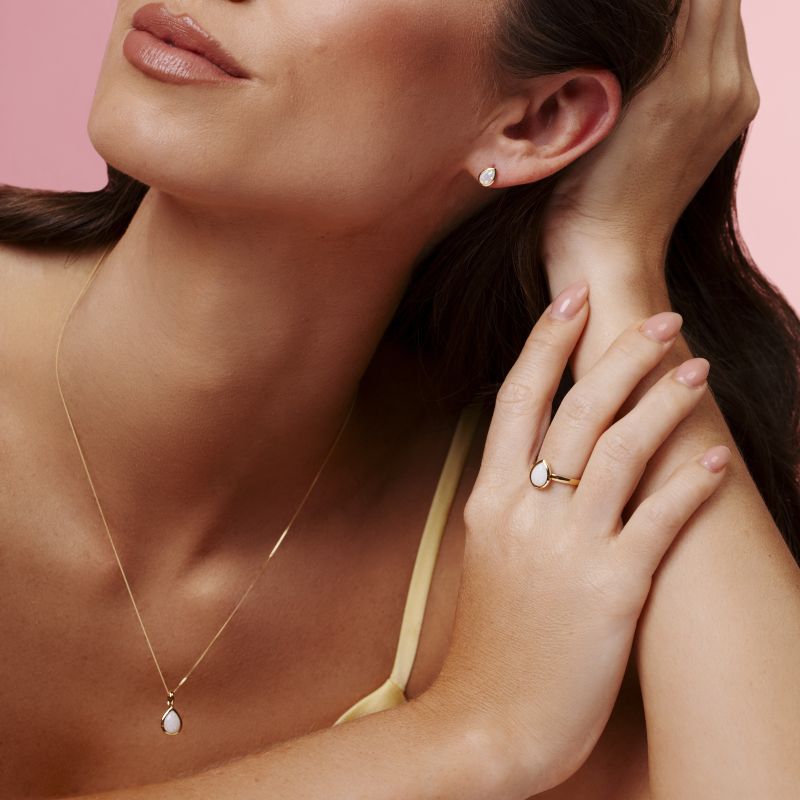
What makes opal special?
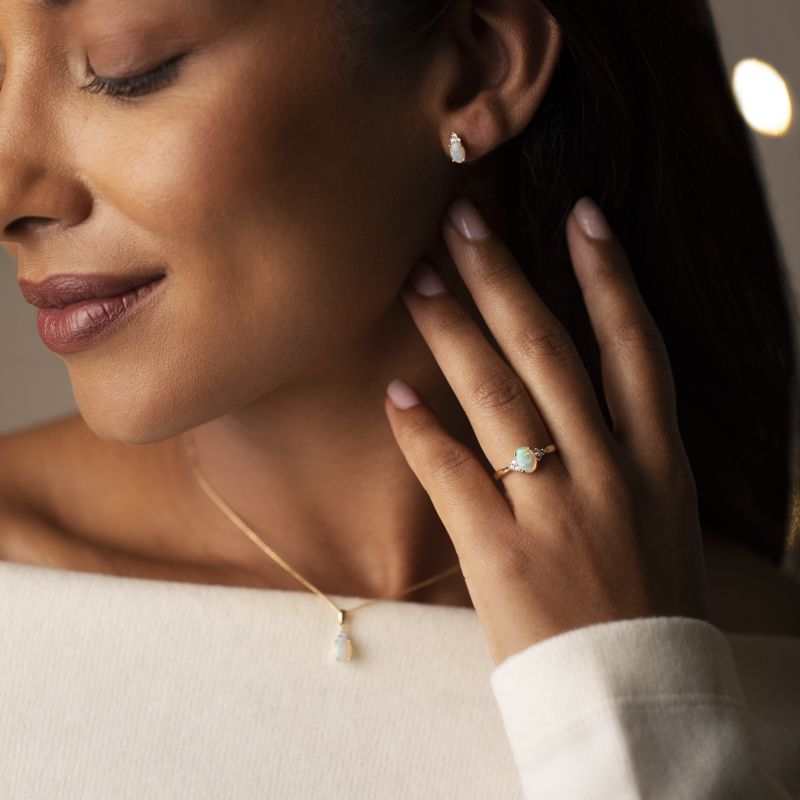
Unlike many gemstones, opal isn't defined by a single colour. Its appearance can range from soft whites and creams to darker tones, often with flashes of blue, green, pink, orange and red appearing across the stone.
This shifting display of colour is known as play-of-colour. It occurs when light interacts with the tiny structures within the opal, creating flashes of colour that can change depending on the angle from which the gemstone is viewed.
Not every opal looks the same, and that's very much part of its appeal. The colour, pattern and intensity of each stone can vary considerably, giving individual opals a character of their own.
When choosing an opal, there isn't one particular combination of colours you need to look for. Much of the enjoyment comes from exploring different stones and discovering the play-of-colour that appeals most to you.
What makes tourmaline special?
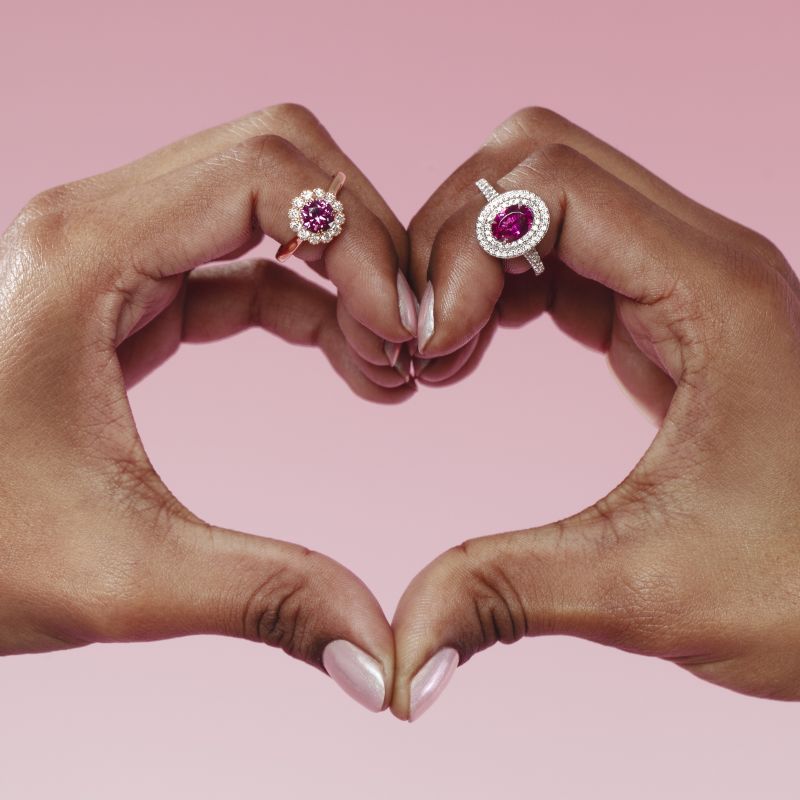
Tourmaline is known for its variety of colour. It can be found in shades of pink, green, blue, yellow and red, as well as deeper tones, giving it one of the broadest colour ranges of any gemstone.
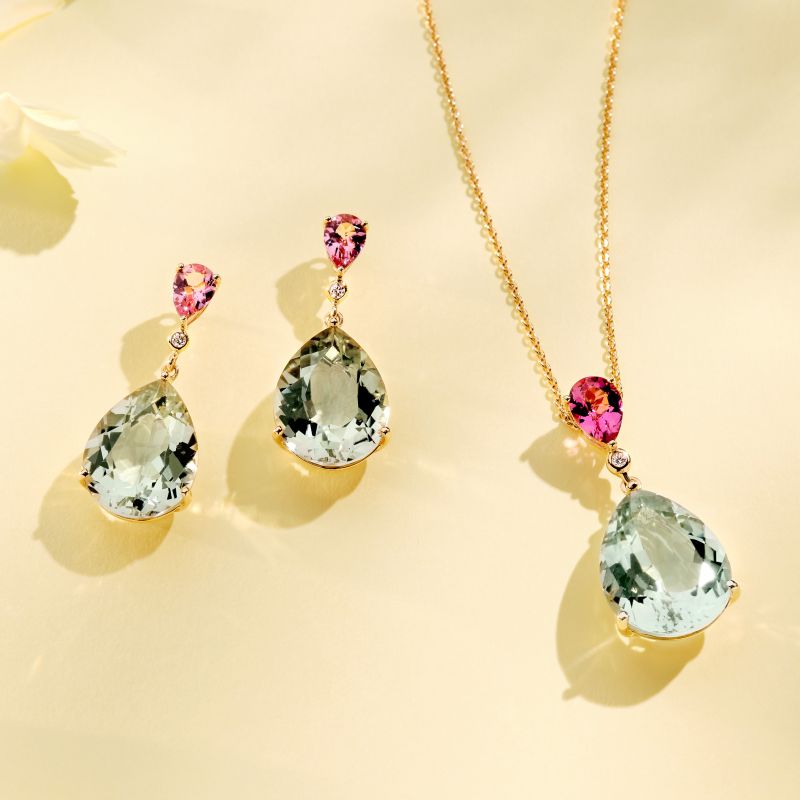
Some tourmalines can even display more than one colour within a single stone. These colour zones form naturally as the crystal grows, sometimes creating striking combinations such as green and pink within the same gemstone.
Pink tourmaline is particularly associated with October, but there is no single colour that defines the gemstone. From softer shades to richer, more vibrant tones, the variety means two tourmalines can have very different characters.
With such variation from one stone to another, colour is central to tourmaline's appeal, with each gemstone offering something a little different.
What do opal and tourmaline symbolise?
Gemstones have carried symbolic meanings for centuries, and both opal and tourmaline have developed their own traditions and associations over time.
Opal has long been associated with hope, purity and truth, while pink tourmaline is traditionally connected with love, compassion and gentleness. Like many gemstone traditions, these meanings have evolved across different cultures and periods of history.
As October's birthstones, both can hold an additional meaning for those born during the month. But symbolism doesn't have to be inherited from tradition. A gemstone can become meaningful because of the person who gave it to you, the occasion it celebrates or simply because its colour reminds you of something you love.
Ultimately, the most personal meaning is often the one you give it yourself.
Choosing opal and tourmaline jewellery
Opal and tourmaline may share October as their birthstone month, but they have different characteristics to consider when choosing how you'd like to wear them.
Tourmaline ranks 7 to 7.5 on the Mohs scale of hardness and is generally suitable for everyday wear. Its wide range of colours also means it can take on a very different character depending on the design and precious metal it's paired with.
Opal requires a little more consideration. Ranking 5 to 6.5 on the Mohs scale, it is more vulnerable to scratches and chips than tourmaline. That doesn't mean it can't be worn in rings, but a more protective setting and a little extra care can help reduce the risk of damage.
Whichever October birthstone you're drawn to, understanding how each gemstone looks, wears and should be cared for can help you choose jewellery that suits both your style and how you plan to wear it.
What are the birthstones for October?
October has two recognised birthstones: opal and tourmaline. Opal is known for its play-of-colour, while tourmaline occurs naturally in a wide range of colours, giving those born in October two very different gemstones to choose from.
Why does October have two birthstones?
Opal is the traditional October birthstone, while tourmaline is the newer addition. Birthstone traditions have developed and changed over time, which is why some months are now associated with more than one gemstone. Today, both opal and tourmaline are recognised as October birthstones.
What colours does tourmaline come in?
Tourmaline can be found in a wide variety of colours, including pink, green, blue, yellow and red. Some tourmalines can also display more than one colour within a single gemstone, with pink and green among the best-known combinations.
What gives opal its changing colours?
The flashes of colour seen in many opals are known as play-of-colour. This effect occurs when light interacts with the microscopic structure within the opal, producing colours that can appear to change as the gemstone or viewing angle moves.
Which is more durable, opal or tourmaline?
Tourmaline is generally more durable for everyday wear. It ranks 7 to 7.5 on the Mohs scale of hardness, compared with 5 to 6.5 for opal. Opal is suitable for jewellery, but its softer nature and lower toughness mean it requires a little more care to help protect it from scratches or damage.
Discover opal and tourmaline at Pravins
Two birthstones, two very different expressions of colour. Opal and tourmaline each offer something distinctive for those celebrating an October birthday.
Whether you're choosing a birthstone gift, marking a special occasion or simply drawn to one of these gemstones, our experienced team can help you explore the possibilities and choose with confidence.
Discover our opal and tourmaline jewellery online, explore our gemstone guide to learn more, or visit Pravins in Cardiff, Reading or Milton Keynes to experience these October birthstones for yourself.