-
Shopping Bag
-
Sorry, there are no items in your basket
-
THE PRAVINS GUIDE TO NATURAL DIAMONDS AND LAB-GROWN DIAMONDS
Choosing between a natural diamond and a lab-grown diamond is one of the biggest decisions facing jewellery buyers today. Although they share the same beauty and brilliance, their origins, rarity and long-term characteristics are fundamentally different.
Understanding those differences doesn't have to be complicated.
Whether you're choosing an engagement ring or another piece of fine jewellery, this guide explains how natural and lab-grown diamonds are created, what they have in common and the factors worth considering before making your decision.
At Pravins, we believe the right choice isn't determined by opinion. That's why we've created this guide: to provide clear, balanced information that helps you understand the differences and choose with confidence.
Before looking at natural and lab-grown differ, its worth understanding what they have in common.
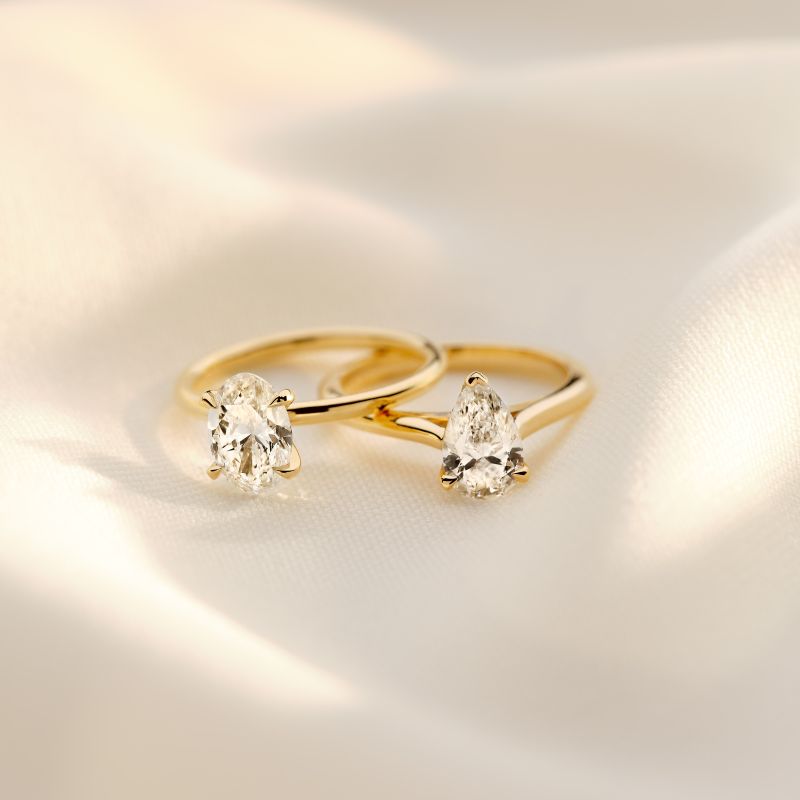
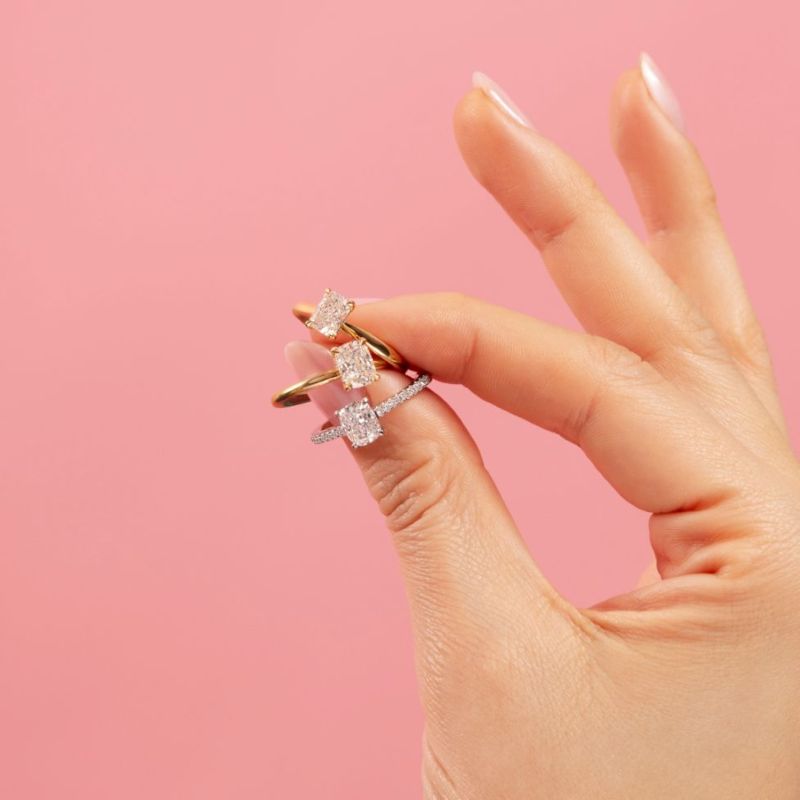
Understanding the choice
For many years, choosing a diamond simply meant choosing a natural diamond. Today, advances in technology have introduced another option, and many couples now find themselves deciding between a natural diamond and a lab-grown diamond.
It's a choice that has prompted plenty of discussion within the jewellery industry, but it doesn't have to be confusing. Although natural and lab-grown diamonds share the same chemical composition, brilliance and hardness, they differ in ways that are worth understanding before you make your decision.
Understanding those differences is about more than comparing facts. It's about considering what matters most to you, whether that's geological rarity, how a diamond is created, long-term significance or simply finding the right balance for your priorities.
Before exploring those differences in more detail, it's helpful to understand one important point: both natural and lab-grown diamonds are real diamonds.
Are lab-grown diamonds real?
Yes. Lab-grown diamonds are real diamonds.
They share the same chemical composition, crystal structure and physical properties as natural diamonds, meaning they display the same brilliance, fire and hardness. Even experienced jewellers cannot distinguish between a natural diamond and a lab-grown diamond by sight alone.
The difference isn't found in the diamond itself, but in its origin.
Natural diamonds are formed deep within the Earth over billions of years before being brought to the surface through volcanic activity. Lab-grown diamonds, by comparison, are created in carefully controlled laboratory environments that replicate the conditions under which natural diamonds develop.
Both can be graded and certified using the same internationally recognised standards, including the Four Cs: cut, colour, clarity and carat weight.
Understanding this distinction is important because the conversation isn't about whether one is a "real" diamond. It's about understanding the different origins of two diamonds that share the same physical characteristics.
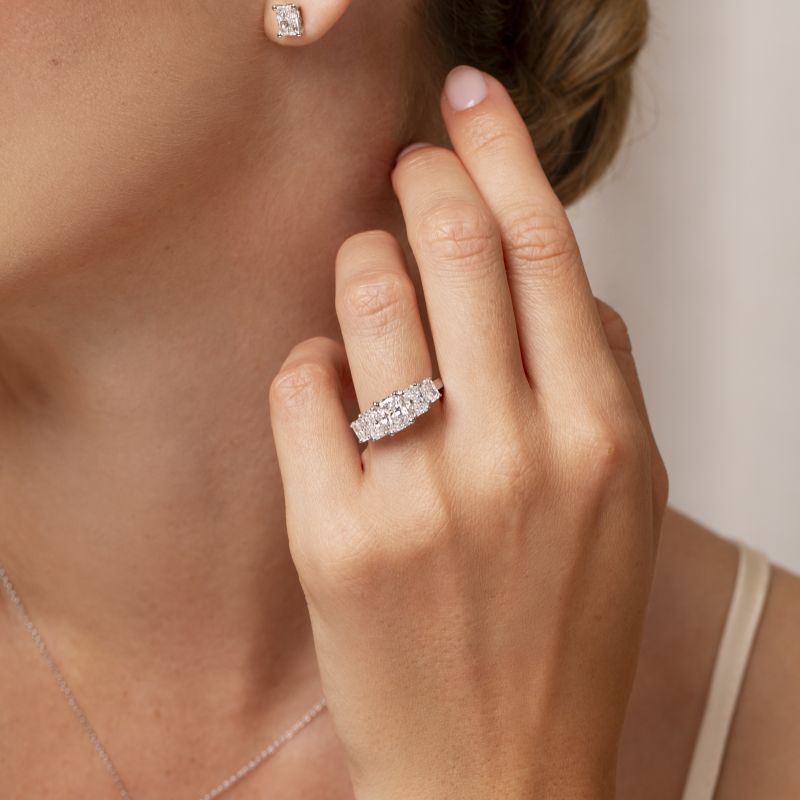
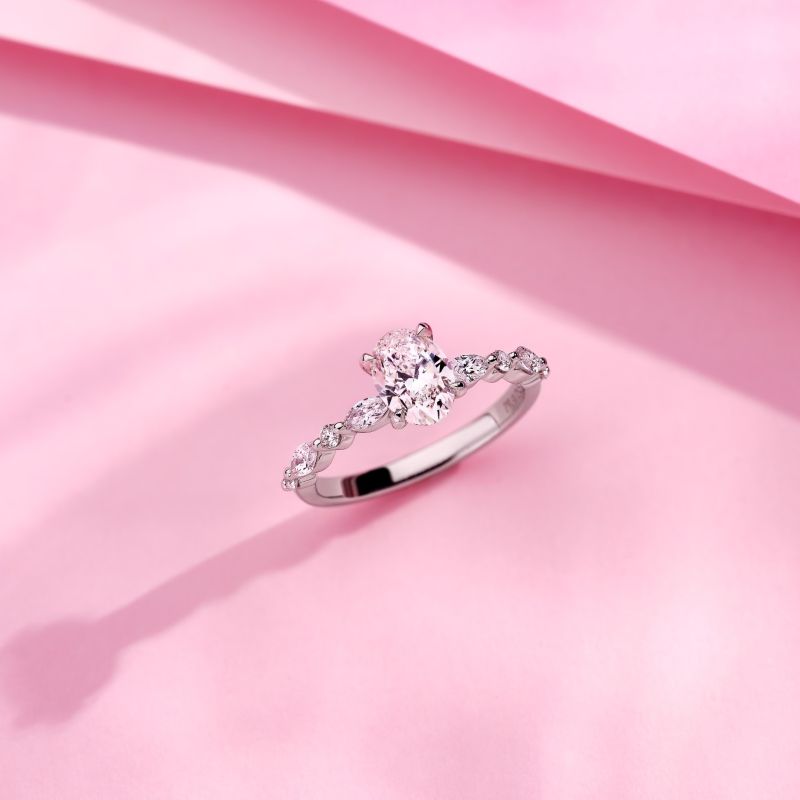
Natural diamonds
Every natural diamond begins its journey deep beneath the Earth's surface.
Formed under immense heat and pressure over billions of years, natural diamonds are among the oldest objects we can hold in our hands. Volcanic activity gradually carried them closer to the Earth's surface, where they were eventually discovered and carefully recovered.
No two natural diamonds are ever completely identical. Each has its own combination of characteristics, shaped by the unique conditions under which it formed. These natural differences are reflected in the Four Cs: cut, colour, clarity and carat weight — which help to assess the quality and individuality of every stone.
For some people, the appeal of a natural diamond extends beyond its beauty. Its rarity, remarkable journey through time and unique origin are all part of what makes it so meaningful. For those who value a diamond created entirely by nature, that extraordinary story becomes part of its lasting significance.
Lab-grown diamonds
Lab-grown diamonds share the same beauty, brilliance and physical properties as natural diamonds, but their story begins in a very different way.
Rather than forming beneath the Earth's surface over billions of years, lab-grown diamonds are created in highly controlled laboratory environments that replicate the natural conditions in which diamonds grow. The result is a genuine diamond with the same chemical composition, crystal structure and hardness as a natural diamond.
Like natural diamonds, lab-grown diamonds are graded according to the Four Cs: cut, colour, clarity and carat weight — and can also be certified by independent gemmological laboratories.
For others, the appeal of a lab-grown diamond lies in having another choice. While they share the same beauty and brilliance as natural diamonds, their different origin means they appeal to people for different reasons, depending on what matters most to them.
Frequently Asked Questions
Are lab-grown diamonds real diamonds?
Yes. Lab-grown diamonds are genuine diamonds with the same chemical composition, crystal structure and physical properties as natural diamonds. The difference lies in their origin, not in what they are.
Can you tell the difference between a natural and a lab-grown diamond?
Not by appearance alone. Natural and lab-grown diamonds display the same brilliance, fire and sparkle. Even experienced jewellers cannot distinguish between them by sight alone, and specialist equipment is required to identify their origin.
Do natural and lab-grown diamonds sparkle differently?
No. When cut to the same standard, natural and lab-grown diamonds display the same brilliance, fire and scintillation. The quality of a diamond's cut has a far greater influence on its sparkle than its origin.
Are natural and lab-grown diamonds graded in the same way?
Yes. Both natural and lab-grown diamonds can be graded according to the internationally recognised Four Cs — cut, colour, clarity and carat weight — and can be independently certified by leading gemmological laboratories.
Which is the right choice for me?
There is no universally "better" choice. The right diamond depends on what matters most to you. Whether you're drawn to the remarkable natural journey of a diamond formed over billions of years or simply want to understand the alternatives available today, taking the time to understand the differences will help you choose with confidence.
Why does Pravins specialise in natural diamonds?
Natural diamonds have always been at the heart of Pravins because of their rarity, remarkable natural origin and enduring significance. At the same time, we believe every customer deserves clear, balanced information to help them make an informed decision based on their own priorities and preferences.
Continue exploring
If you'd like to continue learning about diamonds and fine jewellery, our collection of guides offers expert advice to help you choose with confidence.
• The Pravins Guide to Choosing a Diamond
• The Pravins Guide to Choosing an Engagement Ring
• The Pravins Guide to Choosing a Gemstone
• Jewellery Size Guide
• Explore Our Engagement Ring Collection
Experience Pravins
Understanding the differences between natural and lab-grown diamonds is an important first step, but seeing exceptional diamonds in person offers a perspective that's impossible to experience online.
Whether you're comparing natural and lab-grown diamonds or exploring different shapes, sizes and qualities, our specialists will take the time to explain the differences clearly, answer your questions honestly and help you understand the differences and choose the diamond that feels right for you.
We'd be delighted to welcome you to one of our stores in Cardiff, Reading or Milton Keynes, where you can experience the beauty of exceptional diamonds and receive expert guidance in a relaxed and welcoming environment.